








From Blame to Biology: A New Era of Obesity Care
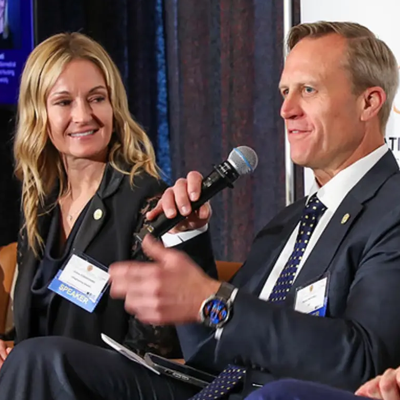
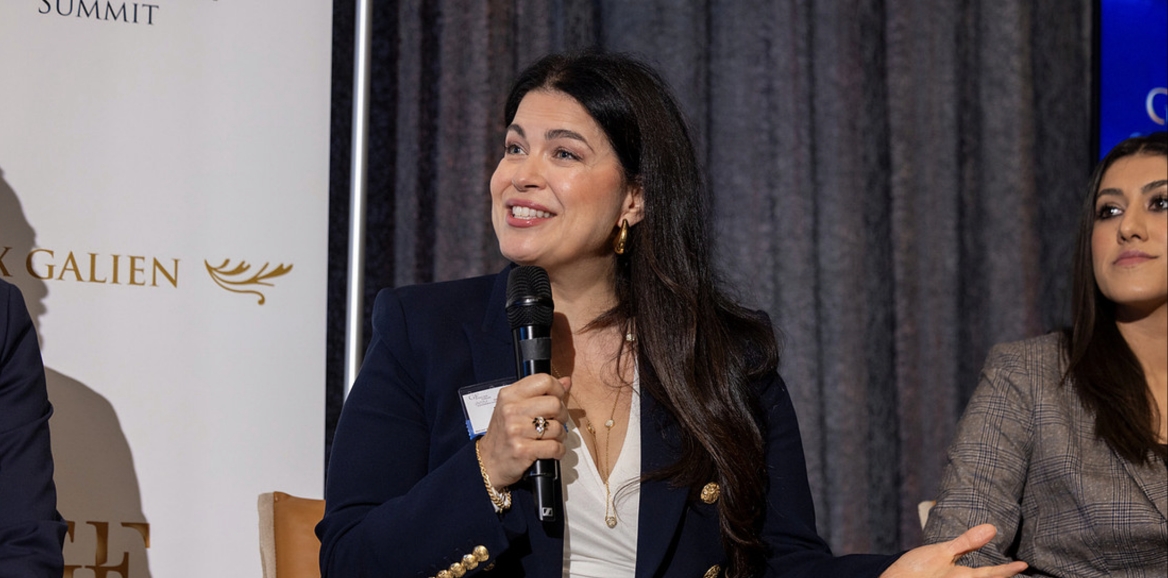
Sandra Elia of Obesity Matters; and Dr. Priya Jaisinghani of NYU Langone Health.
The discussion made one thing clear: the conversation is finally moving away from viewing obesity as a failure of willpower and toward understanding it as a complex, chronic metabolic disease. This new era demands better diagnostic tools, a dismantling of systemic stigma, and a permanent, powerful seat at the table for the patient.
BMI: An Imperfect Tool
In the 1970s, BMI was adopted as a standardized measure for population studies on obesity, and in 1997, the World Health Organization adopted BMI for the clinical classification of obesity. While BMI offers a broad health assessment based on an individual’s height and weight, it does not take into account body composition, muscle mass, and other factors thatplay a role in the disease. “This calculation fails to recognize the complexity of the condition, the patient experience, and how to navigate and optimize treatment,” said moderator Dr. Keri Hildick, Chief Strategy Officer at Perspectum, in her opening remarks.
No moment was more powerful or set the stage more clearly than panelist Sandra Elia’s firsthand experience with obesity. Elia, Chair of Obesity Matters and a certified food addiction counselor, was first told to lose weight at the age of nine. “I’ve been told to lose weight when I had over 100 pounds to lose, and I’ve been told to lose weight when I had 20 pounds to lose,”she said. She recounted a lifetime of judgment that included “a therapist who told me once that I should lose about 20 pounds if I wanted to find a partner."
The medical community’s fixation on her BMI was silenced not by a number on the scale but rather by a precision diagnostic scan that gave her the first complete look at her own biology.
Elia received a CoverScan that examined her heart, liver, lungs, kidneys, pancreas, and spleen. Her test results, which detailed her body composition, revealed that she had no inflammation, only 2% liver fat, healthy kidneys, and healthy levels of visceral fat. For the first time, she felt “proud” of her body. “I was told, ‘Sandra, you don’t need to lose weight,’” she said. “[The results were] validation for years of unseen work. Most importantly, it silenced a lifetime of shame and provided a big boost to my self-worth and motivation. I really believe technology can move us from blame to biology.”
Technologies such as CoverScan and DEXA scans provide accurate assessments of one’s body composition, including body fat, muscle mass, and bone density. “Just because you have a higher BMI shouldn’t automatically give you this label of obesity – it just tells you that you have a different body composition,” said Dr. Manu Chakravarthy, Senior Vice President & Global Head of Cardiovascular, Renal, and Metabolism Product Development at Roche-Genentech.
The two physicians on the panel—Dr. Jaime Almandoz, Associate Professor of Internal Medicine & Medical Director of the Weight Wellness Program at UT Southwestern Medical Center, and Dr. Priya Jaisinghani, Clinical Assistant Professor and Obesity Medicine Specialist at NYU Langone Health—agreed on the need to move away from using BMI as the sole indicator of obesity. Dr. Almandoz called BMI an “imperfect tool” and warned against the “association that in order to be healthy, you need to have a BMI of between 18.5 and 24.9.”
Dr. Jaisinghani agreed and stressed that the clinical focus must shift to individual patient goals and utilizing tools and technologies that provide a holistic look at the patient’s health.
A New Focus of Measurement: Body Composition
The arrival of powerful new therapeutics, such as glucagon-like peptide-1s (GLP-1), has fundamentally changed perceptions about obesity. However, as the panel discussed, GLP-1s are only part of the story. Dr. Rachel Batterham, Senior Vice President of International Medical Affairs at Eli Lilly and Company, explained the need for a shift in how people perceive obesity. “Most people don't recognize obesity as a disease – they still see this as a lifestyle choice – and that's the fundamental issue,” she said. “As a community, [we need to] refocus obesity as a health issue and understand that these medications are giving people back their health and improving their lifespan.”
With this new understanding, the focus is shifting from how much fat a person has to where that fat is located. “Looking at body composition makes a big difference because it shows clear risk factors for disease,” said Dr. Chakravarthy.
While full body scans can measure this, the panel agreed that precision doesn't always need to mean expensive. Dr. Batterham pointed to the simple “waist-to-height ratio” as a more powerful and accessible predictor of cardiometabolic risk than BMI.
Systemic Barriers: Stigma, Access, and Education
If the science is this clear, why isn't this compassionate, precision-based approach universal? The panel identified several deep-seated systemic barriers as hurdles to overcome.
The first is a staggering gap in medical education. “Globally, obesity is not taught in medical schools,” Dr. Batterham said. This failure at the training level means generations of primary care physicians default to the same tired, ineffective advice: “eat less, move more.”
This medical gap fuels a second barrier: cultural stigma. “When we drop the judgment, we can actually find a solution,” said Sandra Elia. “Judgment will have you pointing a finger of blame at the person who's actually suffering. Shame will keep us sick.”
To fix these issues, the panel concluded, the patient voice needs to be integrated meaningfully at every level. “If you are an organization and you want to signal trust, then you need to give a seat at the table to someone with lived experience,” Elia said.
The Future of Obesity Care: Brain Health, Prevention, and Compassion
Looking forward, the panel sees the next frontier of obesity care targeting the brain. “One may argue that obesity is ultimately a brain disease,” said Dr. Chakravarthy. “[Weight loss medications] work in the parts of the brain that control appetite and satiety. We need to try to leverage [these pathways] further and innovate around overcoming metabolic adaptation.”
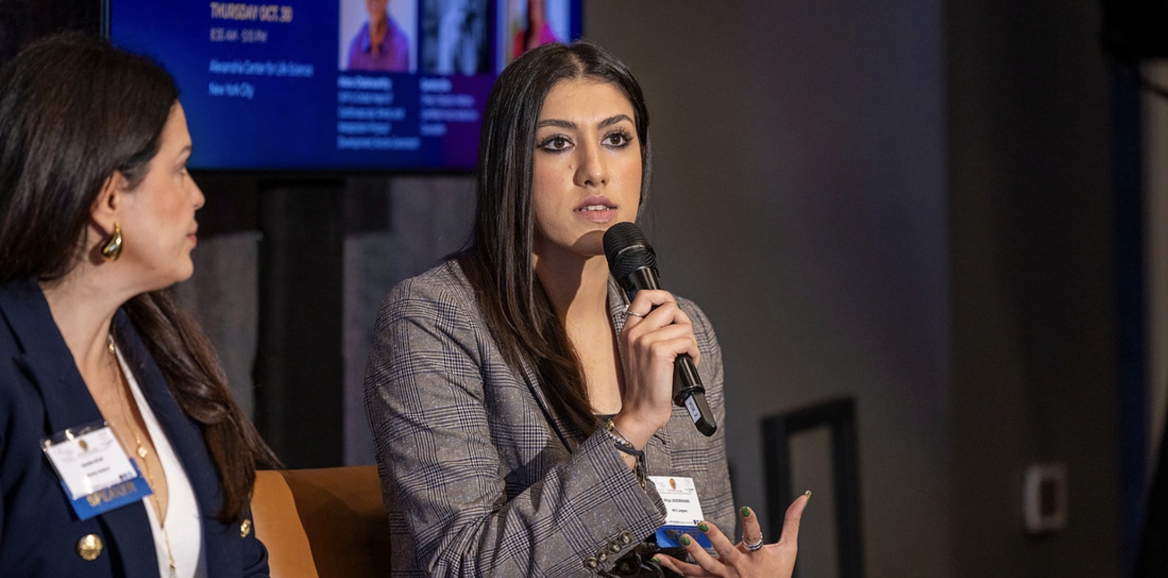
The panelists’ five-year visions for obesity care centered on personalization and prevention. “We’ve reached the tip of the iceberg when it comes to metabolic therapeutics,” said Dr. Jaisinghani. “Now we’re trying to diagnose earlier and optimize treatment. My hope is to shift that clinical care continuum to personalized prevention with empathy for my patients.”
A recording of this Galien Patient Summit panel can be viewed here.