


Understanding Skin and Hair in the GLP-1 Era
Feeling Great, Looking Tired: What GLP-1 Drugs Mean for Your Skin and Hair
Dermatologist Dr. Julie Russak often hears this from patients taking glucagon-like peptide-1 (GLP-1) medications for diabetes and weight loss. While their health and energy improve, their faces appear thinner, skin feels different, and hair falls out.
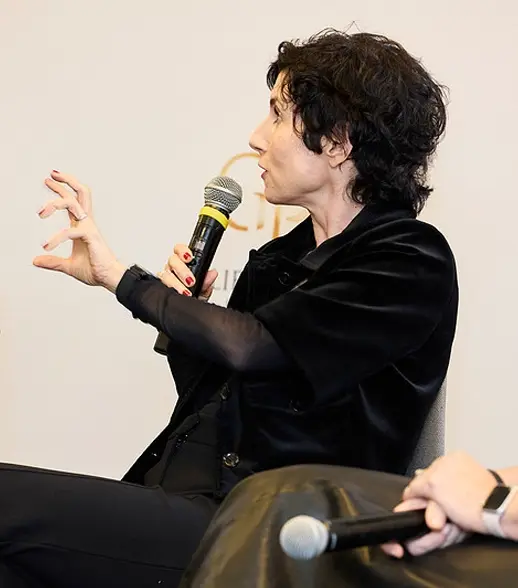
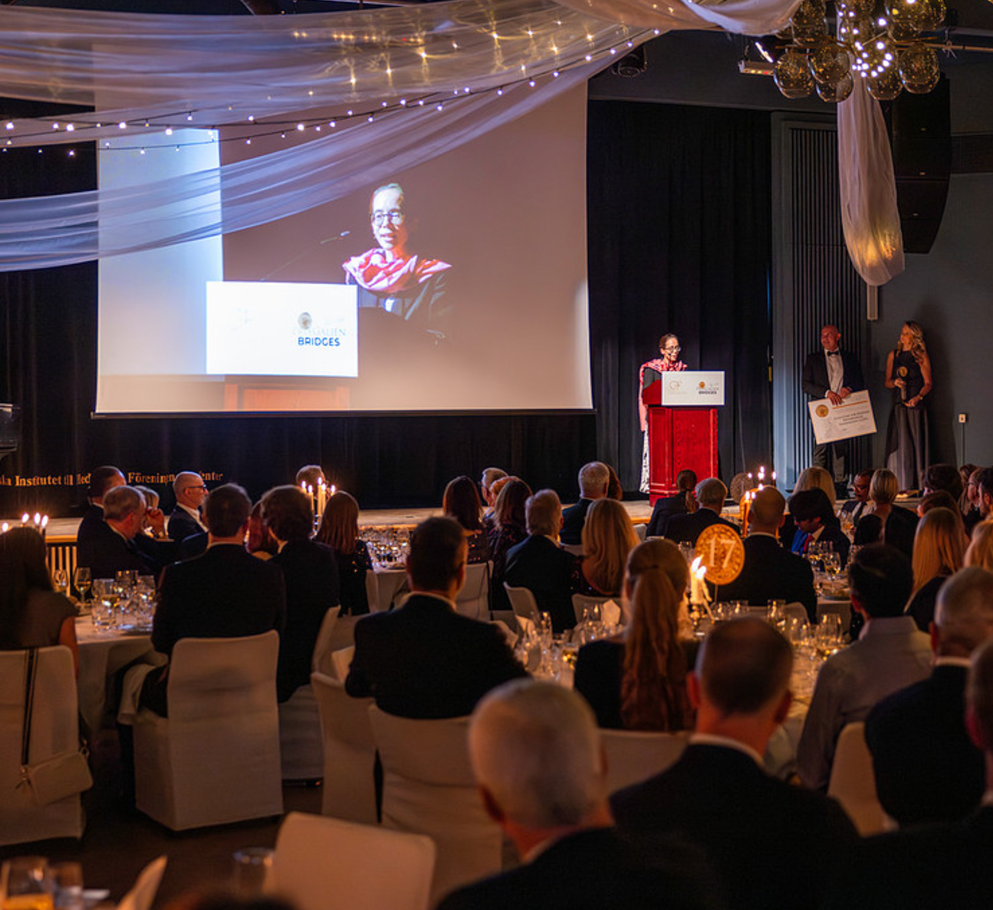
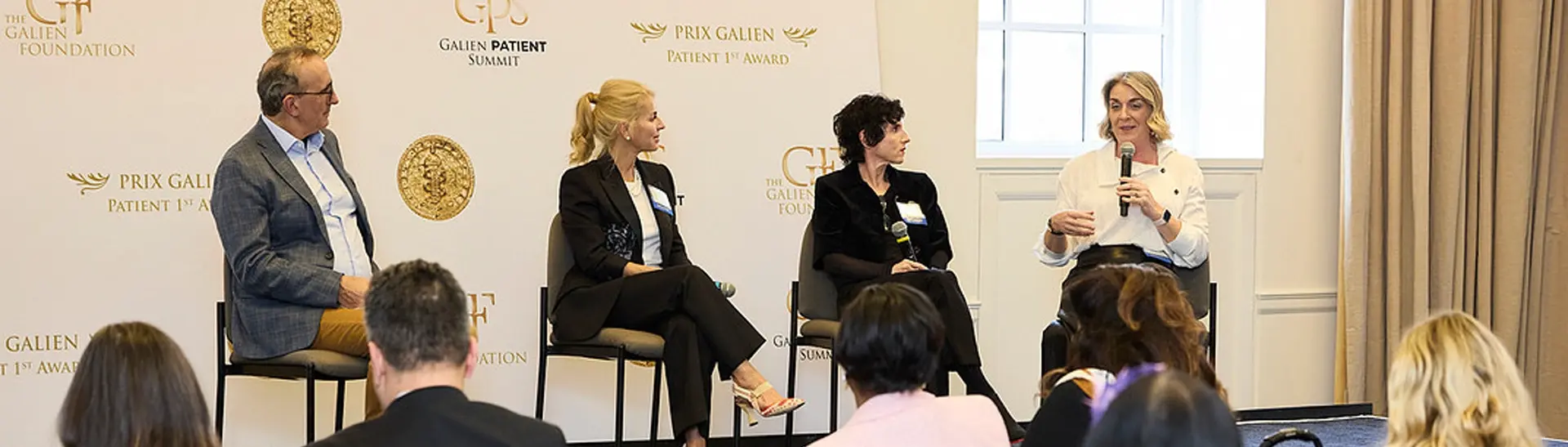
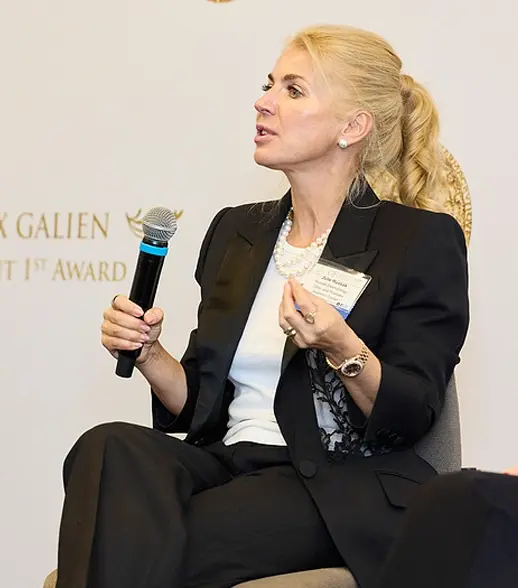
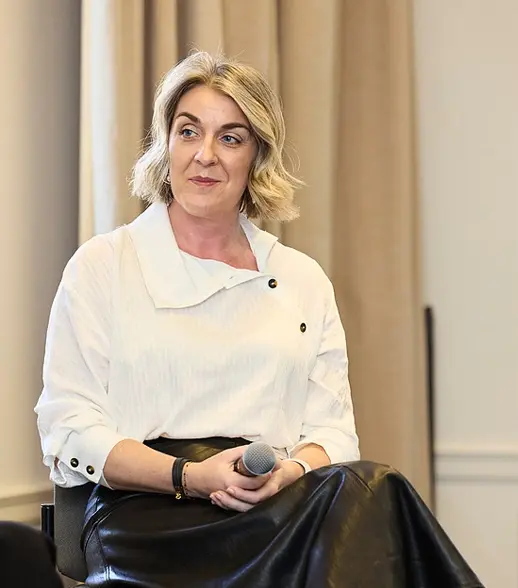
At a 2026 Galien Forum satellite session, Dr. Russak, founder of Russak Dermatology Clinic and Russak+ Aesthetic Center, discussed GLP-1s’ impact on skin and hair with Leslie Eden Harris, Chief Strategy Officer for the Medical Aesthetics Incubator at L'Oréal Groupe, and Magali Moreau, AVP of Scientific Direction – Advanced Research, North America and Brazil at L’Oréal Groupe. Jeremy Abbate, Vice President and Publisher of Scientific American, moderated.
A New Kind of Medicine, A New Kind of Side Effect
GLP-1 medications like tirzepatide and semaglutide mimic natural hormones in the body that control appetite and blood sugar. Initially for diabetes, they are now widely used for weight loss and other chronic conditions, with approximately 12% of U.S. adults reporting GLP-1 use.
GLP-1 indications have broadened, with research exploring potential benefits for the heart, inflammation, addiction, and binge eating. With the expanded use of these drugs, they have also become easier to obtain. Many people start these medications through telehealth and online sellers with minimal medical guidance. “Patients are doing it unguided and guided,” Dr. Russak said.
The rapid action of GLP-1s is unusual. Appetite reduction appears within one to four weeks, with peak weight loss occurring three to six months after starting. These medications can reduce body weight by an average of 15% in people with diabetes and 21% in those without.
This rapid weight loss causes significant body changes. “In a very short period of time, we’re seeing a very drastic metabolic change and volumetric loss in their body,” said Dr. Russak.
Why Skin and Hair Show It First
Many changes manifest on the skin, part of the body’s integumentary system that protects the body, regulates temperature, detects sensations, and excretes waste. Skin reflects overall health through its color, moisture, texture, healing, and visible blemishes. “Skin by itself is really a readout of the metabolic potential and the metabolic health of the body,” said Dr. Russak.
Rapid body changes from GLP-1 use often first appear on the skin as volume loss, barrier alterations, and hydration changes. Hair is even more sensitive. Hair growth is energy-intensive, and Dr. Russak called the hair follicle "a very metabolically expensive organ." When the body conserves energy, hair is often the first to be affected.
What the Numbers Show
To quantify these changes, L'Oréal surveyed over 500 GLP-1 users in the United States.
Approximately 39% reported skin changes, including sagging, jowls, and dryness, in addition to facial volume loss. Around 39% also reported hair changes like shedding, thinning, breakage, and dryness.
These changes begin early. Most skin changes appeared within five months, while hair changes were even faster. "They were just on the drug for one to two months, and already 40% of those who felt hair shedding had experienced it," Moreau said.
While the survey links the drugs to these changes, it doesn’t prove causation. However, it confirms the need for further understanding of the connection between GLP-1 use and skin and hair changes. “Even with all these people who are having changes in skin and hair, if you don’t understand the biological root and some of the science behind it, you can’t develop a solution that’s grounded in evidence and science,” said Harris.
Not Everyone Experiences It the Same Way
The survey also revealed differences across racial and ethnic groups. White participants primarily reported shedding and thinning, typical after major physical stress. Black participants more often experienced dryness and breakage. Moreau explained that tightly coiled hair is inherently more fragile, leading to different manifestations of the same stress.
This indicates that a single product or advice won't suit everyone. The goal, Moreau said, is "not assuming that everybody's going to go through the same thing, but we need to adapt and have the solution that works for them."
More Than Skin Deep
While these GLP-1 physical changes might seem cosmetic, the panel disagreed. "When I'm using the word ‘just beauty,’ I always pause and kind of stop myself because for a lot of my patients and for us, it's actually an identity," said Dr. Russak.
Harris noted that GLP-1s challenge the long-held belief that eating well, sleeping, and exercising ensure a healthy appearance. Now, many feel healthier but look more tired. "For how long have we thought that what you look like is a reflection of how healthy you feel? That knowledge that we've always had just doesn't hold anymore," she said.
This disparity between how people feel and look can be distressing. Dr. Russak's patients often feel more like themselves than ever and want that reflected in the mirror.
Be Prepared, Not Alarmed
The panel's main message was simple: know what to expect.
Many patients are caught off guard. "I have patients that come in, and they've never even heard that their hair is going to fall out. And not that it would stop them from taking the medication, but it would have been great for them to be prepared for it," said Dr. Russak.
Patients frequently ask: Is it permanent? Can I reverse it? Can I prevent it? Too often, they seek answers online. "A lot of my patients are getting the information really not from professionals, but from each other," she said. Social media offers community, but also spreads misinformation.
If you are taking a GLP-1 or considering it:
-
Ask your doctor about skin and hair changes early, ideally before starting.
-
Discuss nutrition, as reduced eating can lead to nutrient deficiencies.
-
Watch for changes in the first few months, when they are most likely to begin.
-
Be cautious of social media advice and avoid self-prescribing based on others’ experiences.
A New Way to Think About Skin
The larger shift, panelists noted, is in how we perceive skin. Dr. Russak's patients are not seeking wrinkle fixes; they are investing in "skin span," the lifelong health of their skin. As Moreau put it, caring for skin and hair "is not just a cosmetic gesture, it's a health gesture."
A recording of Understanding Skin and Hair in the GLP-1 Era satellite session from the Galien Forum is available here.